
OptiLight IPL vs. Traditional Dry Eye Drops: Which Is Right for Your Asheville Lifestyle?
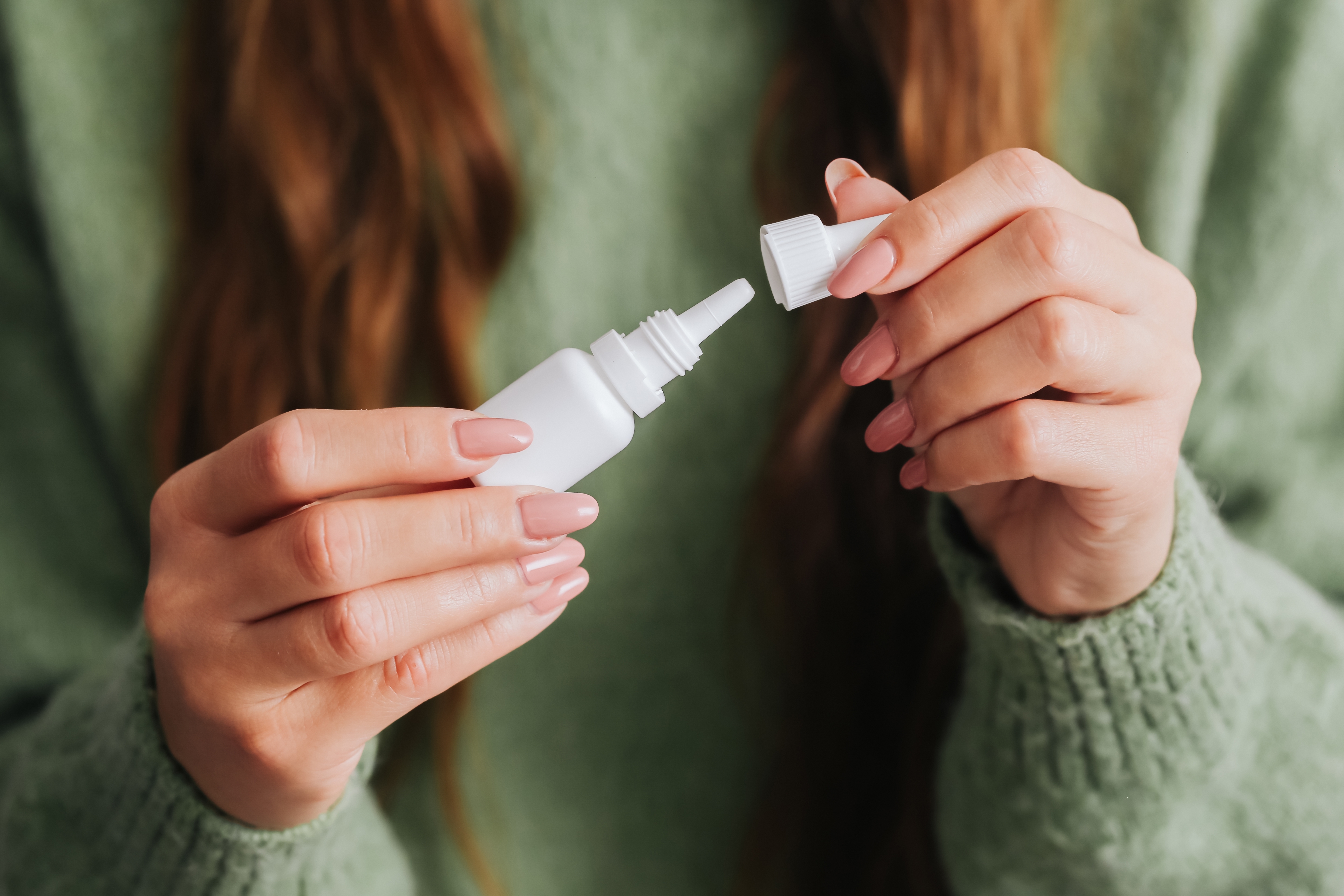
Dry, burning, gritty, or watery eyes can make work, screen time, driving, and time outdoors less comfortable. For many patients in Asheville, dry eye drops are the first step toward relief. However, when symptoms keep returning, the problem may involve meibomian gland dysfunction, or MGD - a common form of evaporative dry eye.
At Vision Source South Asheville, we evaluate the cause of dry eye before recommending treatment. For some patients, traditional drops may be enough. For others, OptiLight IPL can be an important part of a more targeted dry eye treatment plan.
How Traditional Dry Eye Drops Help
Artificial tears and lubricating eye drops add moisture to the ocular surface and can ease mild dryness, burning, or irritation. They are convenient, widely available, and easy to use throughout the day. Prescription eye drops may also be recommended when inflammation or reduced tear production contributes to symptoms.
Dry eye drops can be useful, but they do not always address every cause of dry eye. If the oil-producing meibomian glands are not functioning properly, the tear film may evaporate too quickly. In these cases, repeated use of drops may provide temporary comfort without fully addressing the underlying MGD.
Signs that it may be time for a dry eye evaluation include:
- Frequent burning, stinging, or gritty sensations
- Red or watery eyes
- Fluctuating or blurry vision
- Contact lens discomfort
- Symptoms that return soon after using artificial tears
- Eye fatigue that worsens with prolonged screen use
How OptiLight IPL Targets MGD-Related Dry Eye
OptiLight by Lumenis is an intense pulsed light treatment used to improve signs of dry eye disease associated with meibomian gland dysfunction. The technology delivers controlled pulses of light to the skin below and around the eyes while protective eyewear is used.
OptiLight is designed to help reduce inflammation and improve meibomian gland function, supporting a healthier tear film. A standard treatment series consists of four sessions, with each session taking about 15 minutes. Patients can generally return to normal activities afterward based on their eye doctor's recommendations.
For busy Asheville patients who are tired of relying on drops throughout the day, an in-office treatment approach may fit more easily into a long-term dry eye management plan.
Drops or OptiLight - Which Is Right for You?
There is no single dry eye treatment that is right for everyone. Traditional drops may be appropriate for mild or occasional symptoms, while OptiLight may be considered for eligible adults with MGD-related dry eye. In some cases, we may recommend using OptiLight alongside lubricating drops, warm compresses, meibomian gland expression, or other dry eye therapies.
The best choice starts with identifying what is causing your symptoms. During a dry eye evaluation at our Asheville office, we can assess your tear film, eyelids, and meibomian glands and build a plan around your eye health, daily routine, and comfort needs.
Ready for more lasting dry eye relief? Schedule your dry eye evaluation with Vision Source South Asheville in Asheville, NC by calling (828) 575-0944 today.

All Eye
Care Services

Keep
In Touch

Hours of Operation
- Monday 8:00am - 4:00pm
- Tuesday 8:00am - 4:00pm
- Wednesday 8:00am - 4:00pm
- Thursday 8:00am - 4:00pm
- Friday 8:00am - 12:00pm
- Saturday Closed
- Sunday Closed
Contact Info
Phone Number: (828) 575-0944
Fax Number: (828) 575-0402
© 2026 Eye Clinic. All rights Reserved. Accessibility Statement - Privacy Policy - Sitemap
Managed & Designed By:
