
Guarding Growing Eyes: The Importance of Early Myopia Control
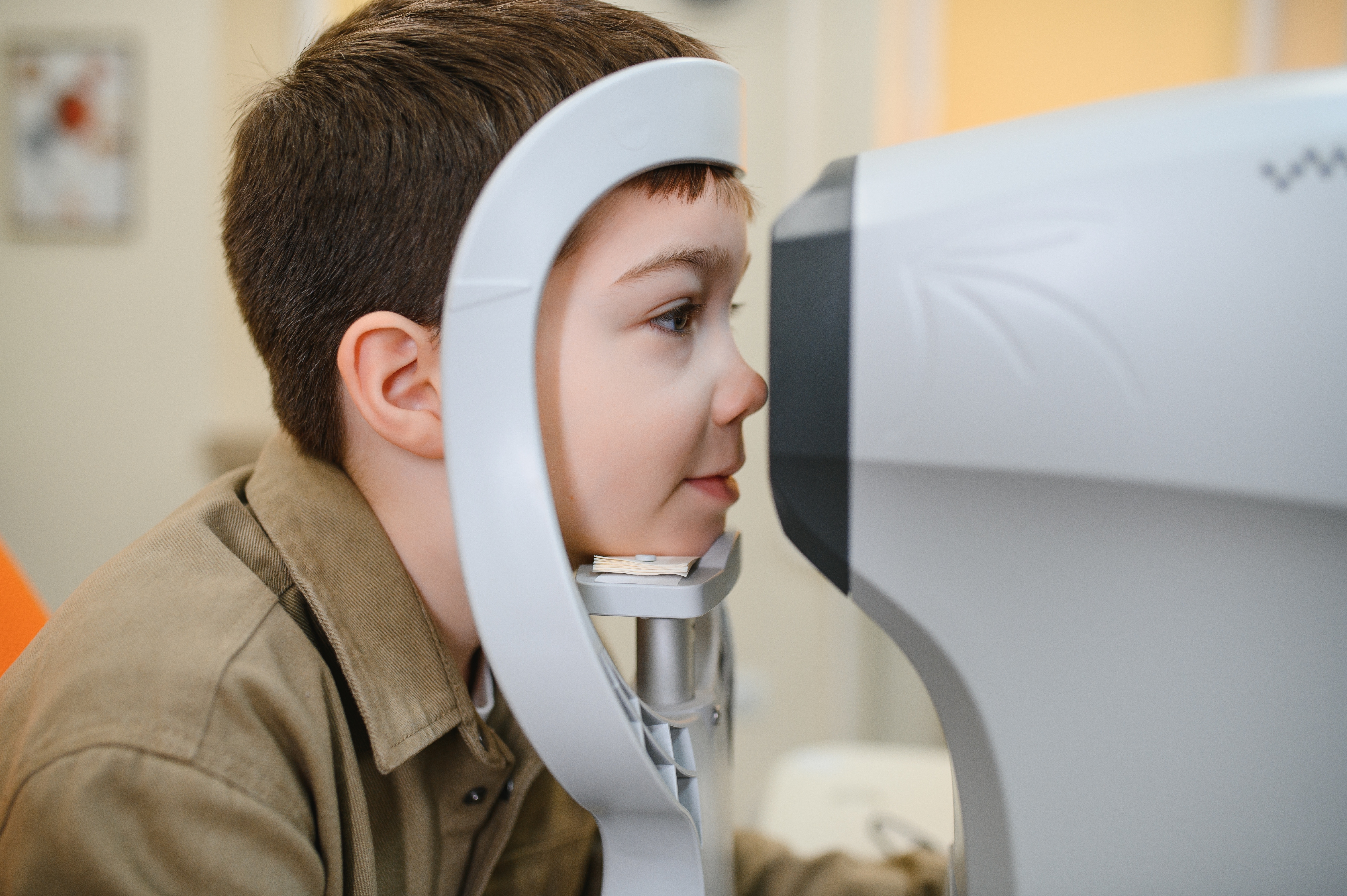
Myopia, or nearsightedness, often begins during childhood and may continue progressing as the eyes grow. A child with myopia can usually see nearby objects clearly but may struggle to read the board, recognize faces at a distance, or follow action during sports.
Traditional glasses and contact lenses sharpen distance vision, but standard correction does not necessarily slow the underlying progression. Early myopia control focuses on managing how quickly nearsightedness worsens, helping protect a child’s long-term visual health.
Signs Your Child May Be Becoming Nearsighted
Children do not always realize their vision has changed. They may assume everyone sees the same way they do. Parents and teachers should watch for changes such as:
• Squinting to see distant objects
• Sitting close to the television or classroom board
• Holding books or devices unusually close
• Complaining of headaches or tired eyes
• Losing interest in activities requiring distance vision
A pediatric eye exam can identify myopia even when a child has not reported symptoms. Regular evaluations also allow our eye doctor to compare prescription changes and determine whether myopia is progressing quickly.
The Importance of Slowing Myopia Progression
As myopia progresses, the eye may continue changing in shape and length. Higher levels of nearsightedness are associated with a greater lifetime risk of serious eye conditions, including retinal detachment, glaucoma, and cataracts. Beginning myopia management early may reduce how severe the prescription becomes over time.
Myopia control is not a one-size-fits-all process. The most appropriate approach depends on the child’s age, prescription, eye health, lifestyle, and ability to follow treatment instructions.
Myopia Control Options for Growing Eyes
Vision Source South Asheville offers several approaches designed to slow childhood myopia progression. Orthokeratology, also called Ortho-K, uses specially designed gas-permeable lenses worn overnight to gently and temporarily reshape the cornea. After removing the lenses in the morning, many patients can see clearly throughout the day without glasses or daytime contacts.
MiSight 1 day contact lenses provide daily vision correction while using a specialized optical design for myopia control. The practice also offers Essilor Stellest spectacle lenses and low-dose atropine eye drops as potential options for children who need a different treatment approach.
Building Healthy Vision Habits at Home
Treatment works best when combined with supportive daily habits. Encourage children to spend regular time outdoors, take breaks during prolonged near work, maintain a comfortable reading distance, and use good lighting. These steps do not replace professional myopia control, but they can support overall visual comfort and healthy routines.
Because children’s eyes can change quickly, follow-up visits are essential. Ongoing monitoring helps the eye doctor evaluate progress, adjust treatment when needed, and keep the plan aligned with the child’s development.
Schedule a pediatric eye exam with Vision Source South Asheville to learn more about myopia control and which treatment is right for your child. Contact our office in Asheville, NC, by calling (828) 575-0944 to book an appointment today.

All Eye
Care Services

Keep
In Touch

Hours of Operation
- Monday 8:00am - 4:00pm
- Tuesday 8:00am - 4:00pm
- Wednesday 8:00am - 4:00pm
- Thursday 8:00am - 4:00pm
- Friday 8:00am - 12:00pm
- Saturday Closed
- Sunday Closed
Contact Info
Phone Number: (828) 575-0944
Fax Number: (828) 575-0402
© 2026 Eye Clinic. All rights Reserved. Accessibility Statement - Privacy Policy - Sitemap
Managed & Designed By:
